
Cloud, security and software built around real infrastructure.
Cloud and cybersecurity services designed around the physical infrastructure 21CTL operates, with software for the business on top.
Security boundaries from the network to the application.
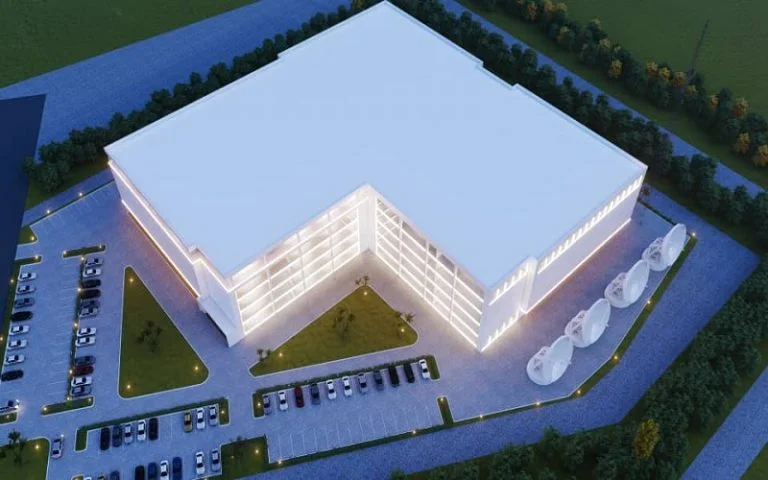
Cloud, cybersecurity and software are designed around the physical layer 21CTL operates, so the platform and the facility are planned together rather than stitched together later.
Explore infrastructure →Start with the challenge. Build the right capability around it.
Six connected capability areas. Each one explains the operating problem, the capabilities involved and the outcomes to expect.
- 01Cloud & AICloud platforms and applied AI systems designed around enterprise workloads.Cloud architectureAI platformsData & analytics
- 02Software DevelopmentCustom digital products, platforms and enterprise software built around real operational needs.Product engineeringEnterprise applicationsAPI platforms
- 03AutomationConnect workflows, systems and decisions to remove repetitive operational friction.Workflow automationBusiness process orchestrationIntegrations
- 04CommunicationEnterprise communication services that connect teams, customers and operational systems.Enterprise voiceMessagingCollaboration
- 05Identity & SecurityIdentity, access and security services designed into the technology estate rather than added afterward.Identity & accessCybersecurityApplication protection
- 06Managed ServicesOperate critical technology with structured support, monitoring and service ownership.Managed cloudInfrastructure operationsApplication support
Enterprise context changes the solution.
Security, resilience, integration, user experience and operating requirements shift by industry. The solution architecture should shift with them.
- Financial Services
- Telecommunications
- Public Sector
- Energy
- Retail & Commerce
- Media & Digital Business
One path from problem to operations.
Move from discovery to architecture, delivery and continuous operation through one accountable engagement model.
- 01
Discover
Clarify the business problem, workload, users, constraints and measures of success.
- 02
Design
Shape the architecture, service boundaries, delivery plan and operating model.
- 03
Build
Deliver in controlled increments with security, integration and quality built in.
- 04
Operate
Transition into monitoring, support, managed services and continuous improvement.